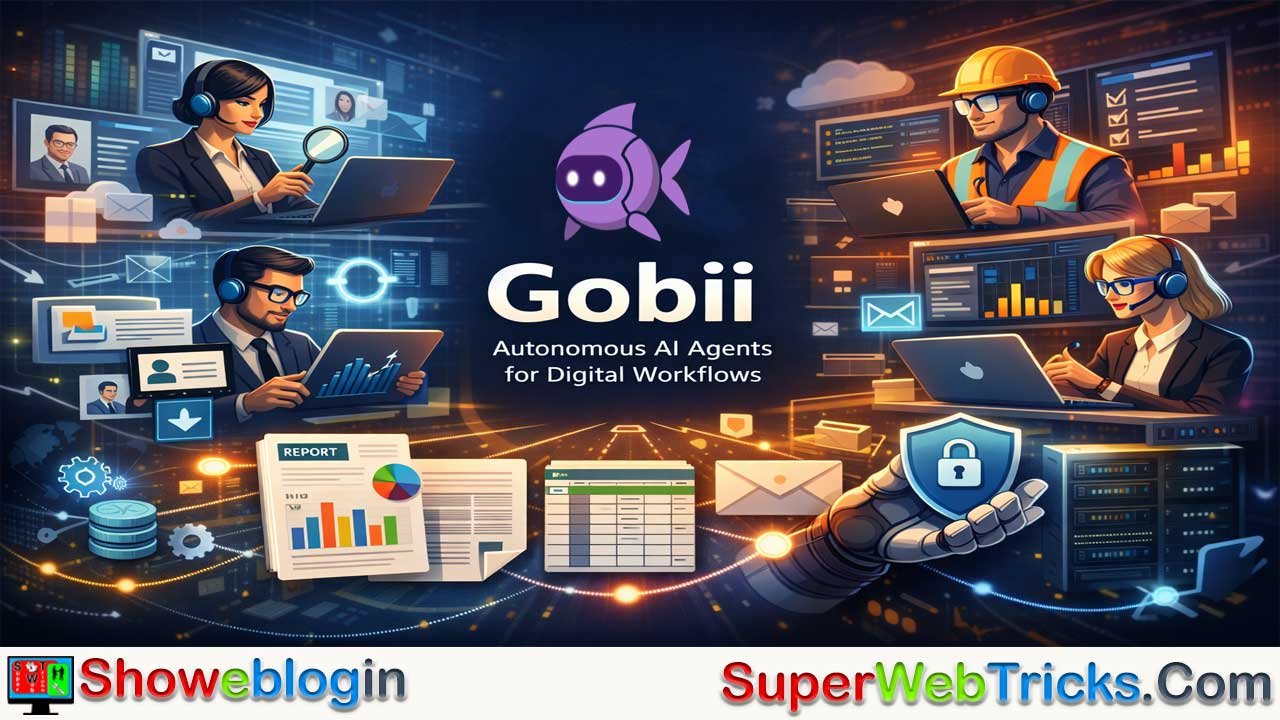





Gobii AI Platform Explained: Autonomous Agents Transforming Digital Workflows and Business Automation
The Gobii platform represents a new stage in artificial intelligence where systems act as autonomous digital workers rather than simple chat assistants. Instead of short chat sessions, Gobii runs persistent “AI coworkers” that can perform web-based tasks continuously.
These agents operate through a production-grade infrastructure built on browser automation, allowing them to interact with websites like a human user. They maintain memory using a SQLite database, which helps them track progress, resume tasks after interruptions, and manage complex workflows over long periods. Organizations can deploy Gobii either through a managed cloud service or by self-hosting the open-source platform for greater control and security.
Gobii also introduces a practical workplace model where AI agents function as team members with specific roles. Businesses can assign agents tasks in sales, recruitment, operations, or engineering, such as finding leads, researching candidates, monitoring prices, or collecting web data.
These agents can communicate through emails, APIs, or scheduled triggers and produce real outputs like reports, spreadsheets, and analytics files. The platform includes strong security features, encrypted communication, and sandboxed computing environments to protect sensitive data. With its task-based pricing and scalable infrastructure, Gobii aims to increase productivity by automating repetitive work while allowing humans to focus on strategy and oversight.
| Category | Details |
|---|---|
| Platform Name | Gobii |
| Platform Type | Open-source AI agent automation and digital workforce platform |
| Core Function | Deploys autonomous AI agents to perform web tasks and automate workflows |
| Key Concept | Persistent “AI coworkers” that operate continuously for teams |
| Architecture | Headed browser automation with persistent sessions and SQLite-based memory |
| Deployment Options | Managed cloud service or self-hosted open-source infrastructure |
| Integration System | Supports external tools via Model Context Protocol (MCP) |
| Typical Agent Roles | Lead Hunter, Account Researcher, Outreach Agent, Talent Scout, Data Pipeline Agent |
| Output Types | Reports, PDFs, charts, CSV files, and automated updates to SaaS tools |
| Security Features | Encryption, sandboxed compute environments, proxy routing, audit logs |
| Compliance Support | GDPR and CPRA aligned privacy framework |
| Pricing Model | Task-based pricing instead of seat-based SaaS subscriptions |
| Primary Use Cases | Sales automation, recruitment sourcing, workflow automation, data collection |
| Key Advantage | Always-on digital agents that handle repetitive tasks and scale productivity |
FAQs about Gobii AI
What is Gobii AI?
Gobii is an AI platform that deploys autonomous digital agents to perform web tasks, automate workflows, and act as persistent AI coworkers for businesses and teams.
How does Gobii differ from traditional AI chatbots?
Unlike chatbots that respond only during conversations, Gobii agents are always active and can execute tasks independently, maintain memory, and complete multi-step workflows.
What tasks can Gobii AI agents perform?
Gobii agents can find sales leads, research companies, monitor websites, collect data, automate recruitment tasks, manage workflows, and generate reports or spreadsheets.
Can Gobii be self-hosted by organizations?
Yes, Gobii provides both a managed cloud service and an open-source version that organizations can self-host for greater control over infrastructure and data.
What types of outputs can Gobii agents generate?
Agents can produce reports, PDFs, charts, CSV files, and automatically send results to tools like Google Sheets, Slack, Salesforce, or Jira.
Is Gobii AI secure for enterprise use?
Gobii includes encryption, sandboxed computing environments, proxy-based network controls, and audit logs to protect sensitive data and maintain security.
How does Gobii’s pricing model work?
Gobii uses a task-based pricing system where organizations pay based on the number of automation tasks executed rather than the number of user seats.
What industries benefit most from Gobii AI?
Sales, recruitment, operations, engineering, and compliance teams benefit the most because the platform can automate repetitive online workflows and research tasks.








Leave a Reply
You must be logged in to post a comment.